We Are Now Open!
Interested in an appointment? We are accepting new patients and have spaces for immediate hygiene appointments!
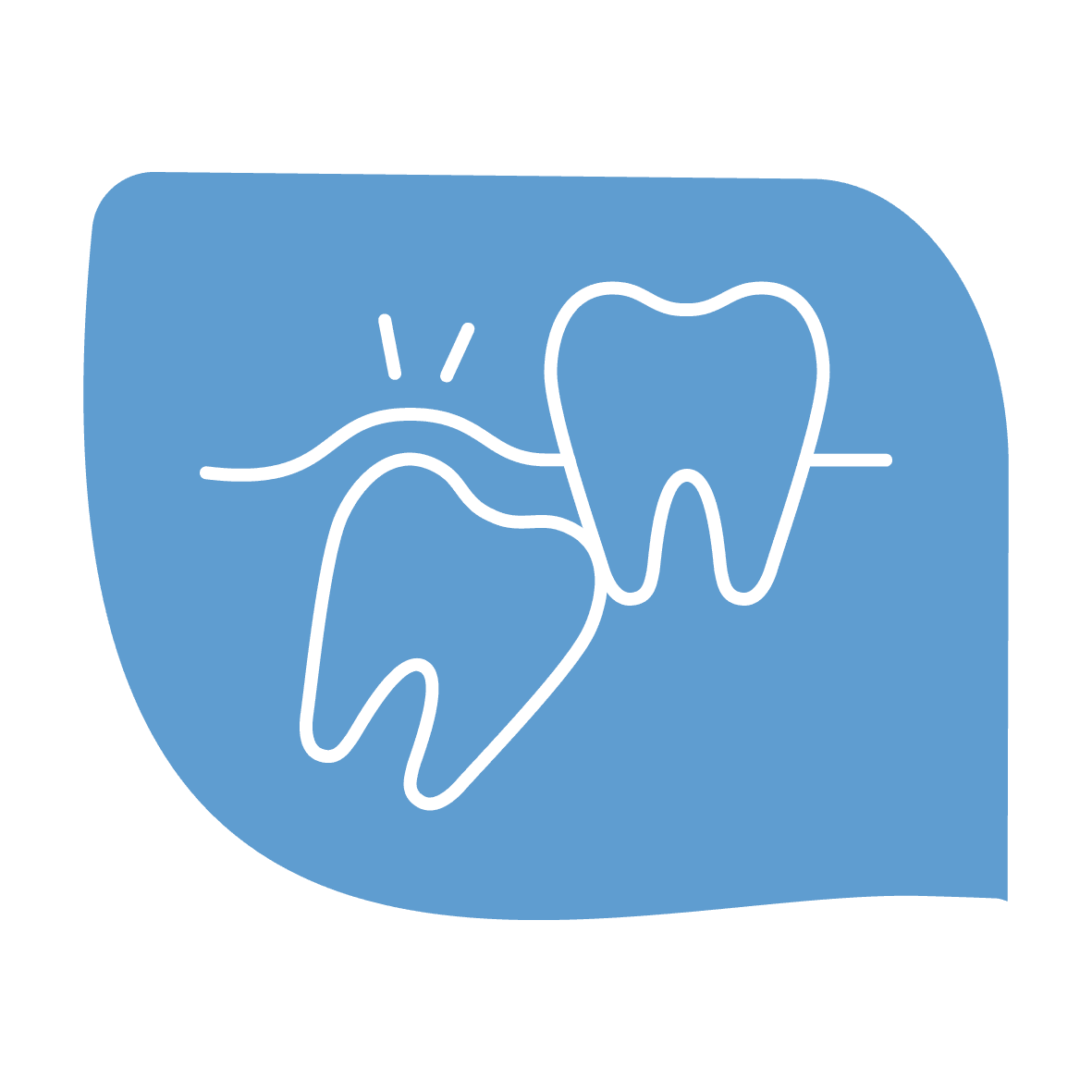
Wisdom Tooth Removal
Wisdom tooth removal is a common procedure used to treat or prevent problems caused by third molars (wisdom teeth). These teeth are the last to develop and often do not have enough space to come through properly, which can lead to pain, infection, or damage to surrounding teeth.
Why wisdom teeth can cause problems
Wisdom teeth often erupt in the late teens or early twenties. In many cases, there is insufficient space in the jaw for them to fully emerge or align correctly.
This can result in:
Partial eruption (where the tooth only comes through partway)
Impacted teeth (stuck under the gum or bone)
Angled or misaligned growth
Pressure against neighbouring teeth
Food trapping and recurrent infection
Over time, these issues can lead to pain, swelling, decay, or gum inflammation around the area.
When removal is recommended
Wisdom tooth removal may be advised if you experience:
Pain or pressure at the back of the mouth
Recurrent swelling or infection of the gum around the tooth
Difficulty cleaning the area
Decay in the wisdom tooth or adjacent tooth
Cyst formation or changes seen on X-rays
Orthodontic or restorative planning requirements
In some cases, wisdom teeth may be monitored over time if they are not causing any issues.
Assessment and planning
Your assessment may include:
Clinical examination
Dental X-rays
3D imaging (CBCT) where required for more complex cases
This helps us understand the position of the tooth, the shape of the roots, and their relationship to important anatomical structures such as nerves or the sinus.
Simple vs complex extractions
Some wisdom teeth are relatively straightforward to remove, particularly if they are fully erupted and accessible.
However, other cases can be more complex, especially when teeth are:
Impacted beneath the gum or bone
Positioned close to nerves or the sinus
Angled or deeply rooted
Associated with infection or limited access
In more complex situations, we may recommend referral to a specialist oral surgeon to ensure the safest and most predictable outcome.
The procedure
Wisdom tooth removal is typically performed under local anaesthetic, ensuring the area is fully numbed for comfort.
The procedure may involve:
Careful loosening and removal of the tooth
Gentle sectioning of the tooth in some cases for easier removal
Cleaning of the area
Placement of sutures if required
We take time to ensure you feel informed, supported, and comfortable throughout the process.
Aftercare and recovery
Healing times vary depending on the complexity of the extraction. Most patients experience gradual improvement over several days.
Common after-effects may include:
Mild swelling and tenderness
Temporary stiffness in jaw movement
Bruising in some cases
Mild discomfort as the area heals
We provide clear, personalised aftercare instructions to support smooth recovery and reduce the risk of complications.
Supporting a smooth recovery
To aid healing, we generally recommend:
Resting for the first 24–48 hours
Avoiding strenuous activity immediately after treatment
Eating soft foods while the area settles
Maintaining gentle oral hygiene around the site
Avoiding smoking or use of straws during early healing
We will also schedule follow-up if needed to monitor healing.
A careful and considered approach
Not all wisdom teeth need to be removed. Our approach is always based on clinical need, symptoms, and long-term oral health, not routine removal.
When treatment is required, our focus is on making the experience as straightforward, comfortable, and well-managed as possible.
If you’re experiencing discomfort from your wisdom teeth or have been advised to consider removal, our team is here to help. Contact Waipa Dental to book an assessment and take the next step toward a more comfortable, healthy smile.
Visit us in central Cambridge
Address: 15 Wilson Street, Cambridge
Hours: Monday–Friday, 8.30am–5.00pm
Email: info@waipadental.co.nz
Access & parking: We have designated on-site parking, including a mobility space and access ramp, plus plenty of nearby street parking.